
Pumpkins, Melons, and Squash - Oh My!
Pumpkins, like many vegetables, have surprisingly high water content: cucumbers, melons, squash, tomatoes, and many more, can be up to 90% water by weight.
This past growing season, parts of Ontario received only 50% to 70% of their normal rainfall. Combined with record heat and prolonged dry spells, the conditions simply weren't right for any crop that needs consistent moisture from spring through fall.
Farmers reported one of the lowest yields in 30 years for certain water-sensitive crops.
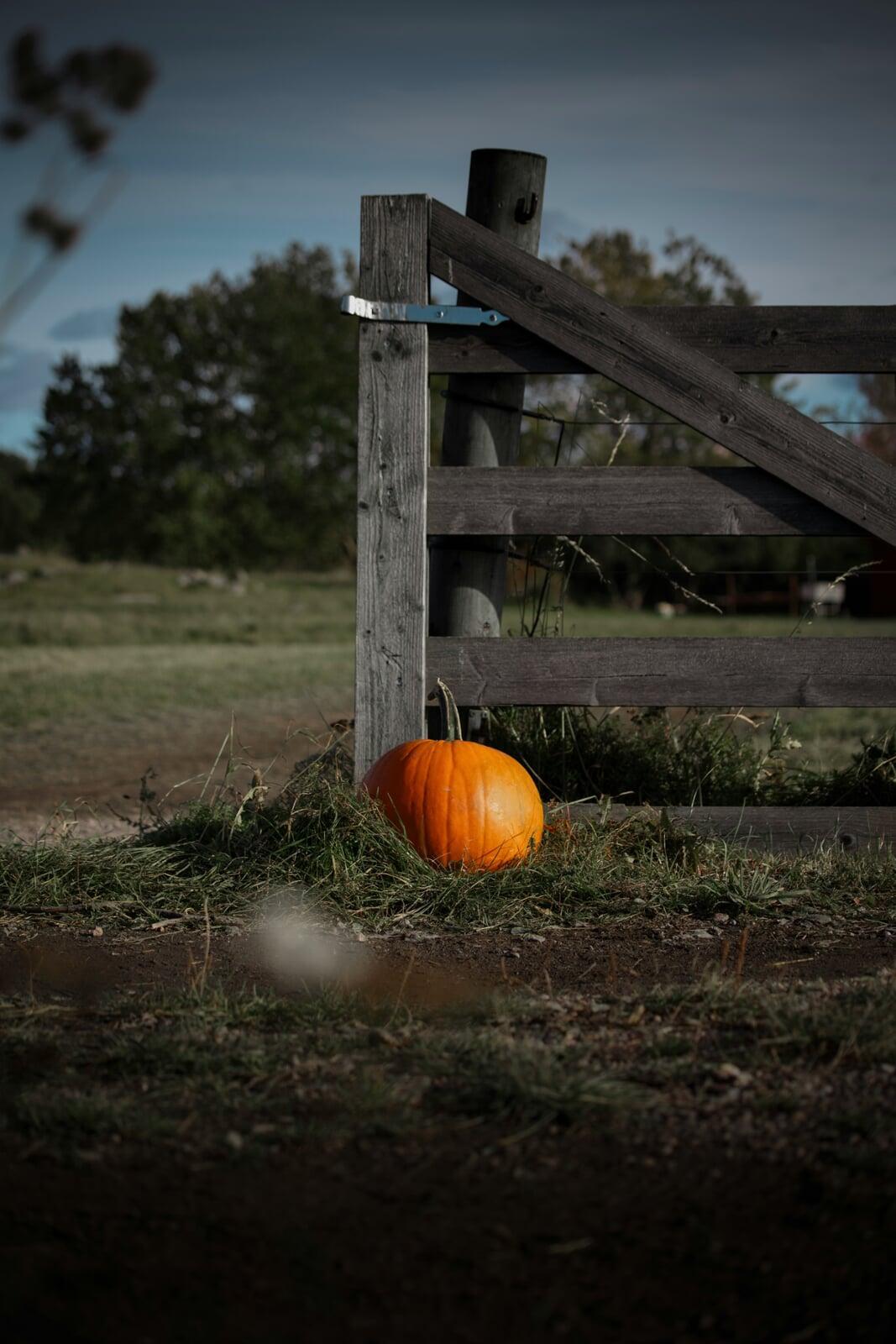
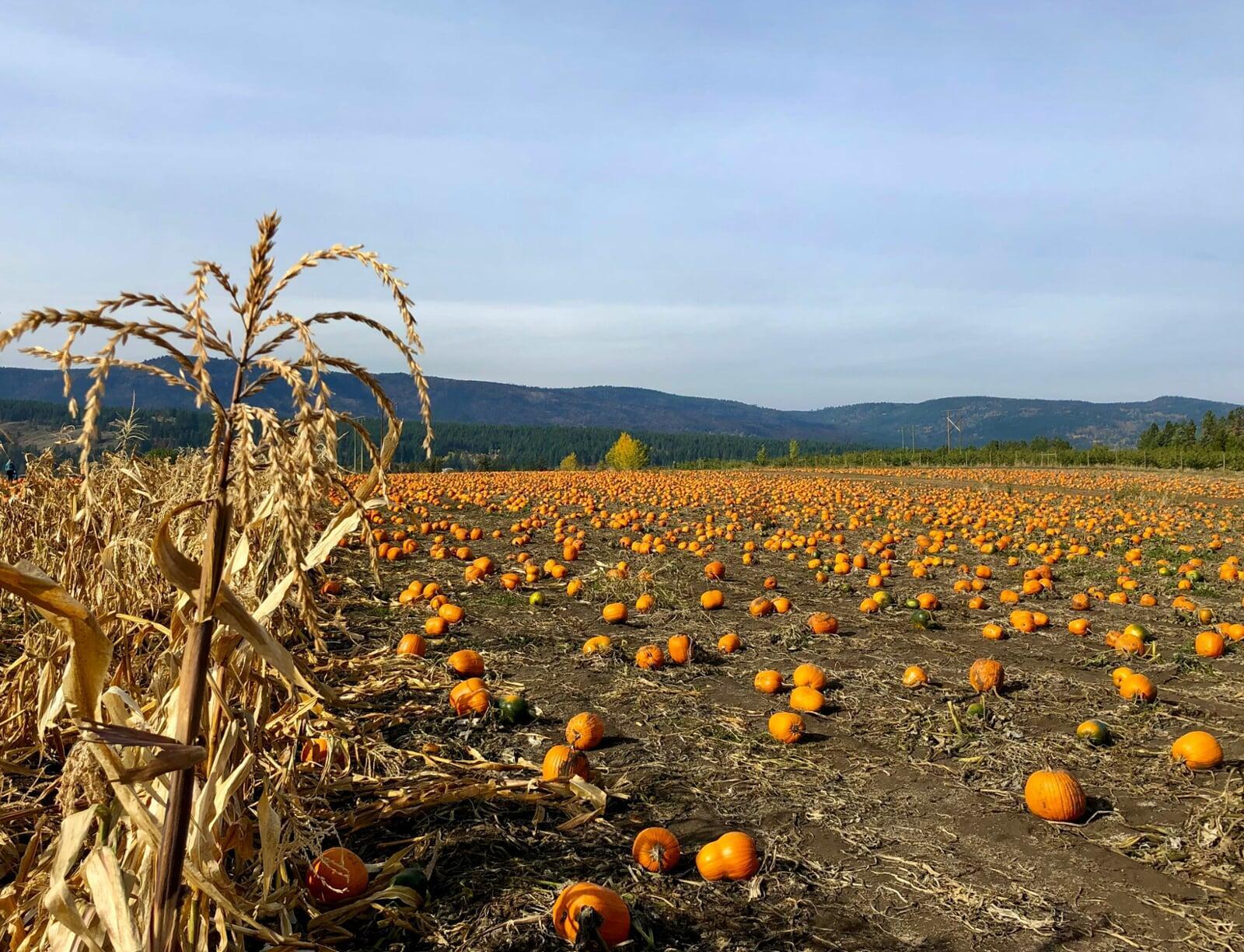
Pumpkins appeared to lead the way.
For example, one pumpkin farm saw a 50% drop in production; another watched their harvest of a particular variety fall by 86%.
Apples and Sweet Corn also saw sharp drops in output, but they're far from alone: Moderate to Severe drought conditions were observed across Canada in 2025. The rest of the world isn't in much better shape.
This is the new reality of farming water-dependent vegetables in an increasingly unpredictable climate.
More on this past growing season here.
Vegetable crops operate on thin margins between sufficient moisture and crop failure.
The challenges facing pumpkin farmers are not unique; these vulnerabilities are shared by many water-sensitive vegetable crops.
As mentioned, squash, melons, cucumbers, and tomatoes all require consistent moisture for uniform fruit development.
Peppers and eggplants are sensitive to drought stress during flowering.
Sweet corn needs adequate water during silking and tasseling to fill kernels properly.
For all of these crops, the same dynamics apply:
- Timing - a dry week during flowering affects yield differently than a dry week during early growth.
- Soil variability - sandy soils dry faster. Clay soils hold moisture longer. Slopes dry out more quickly than low areas.
- Visibility - a farmer cannot fix what they cannot measure below the surface.
While there is no substitute for rain, there are tools and methods that can help farmers make better decisions to improve their growing season.
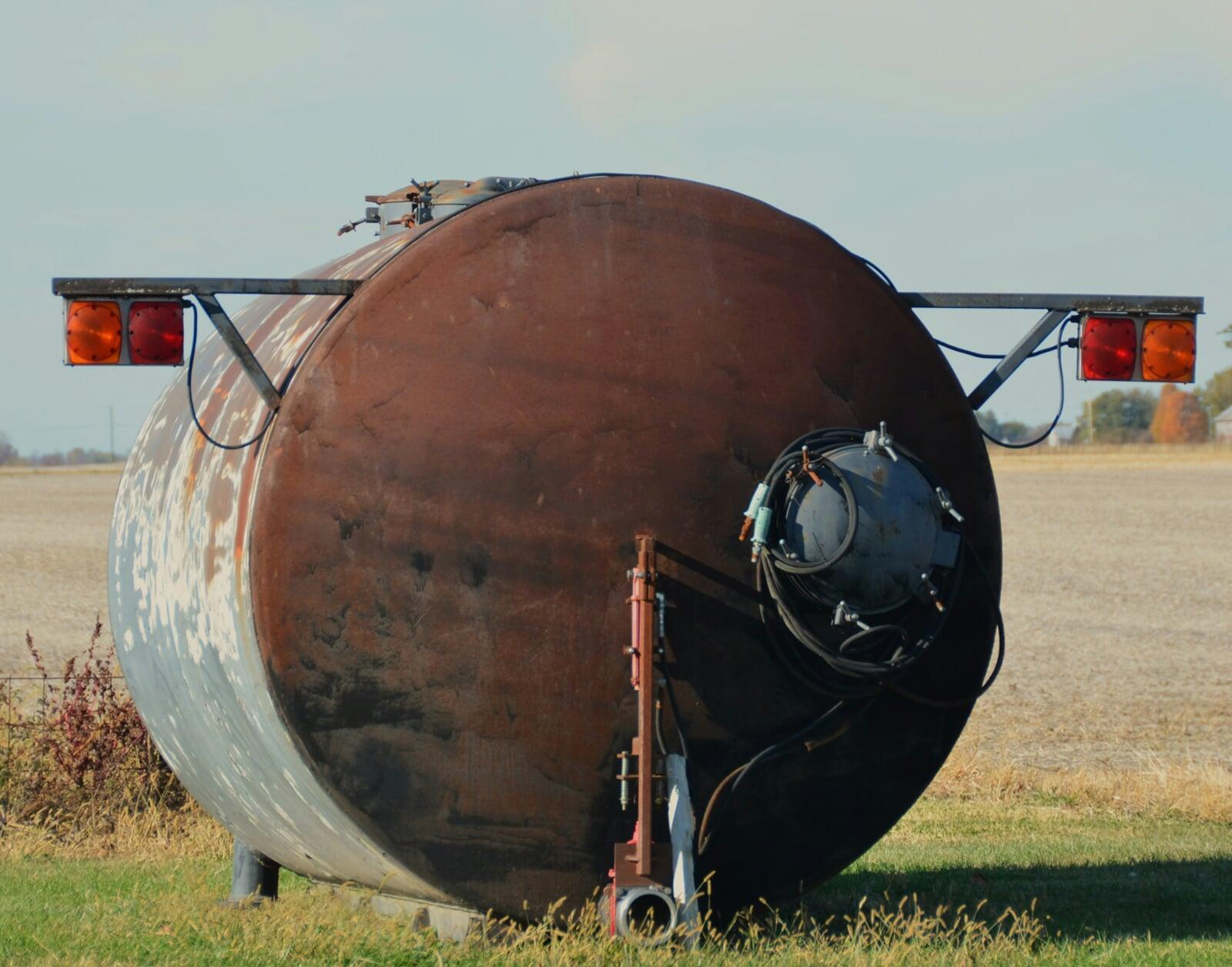
Farmers can incorporate water reservoirs such as ponds, tanks, or small dams to collect and store rainwater during wetter periods, helping them cope with climate variability and inconsistent rainfall.
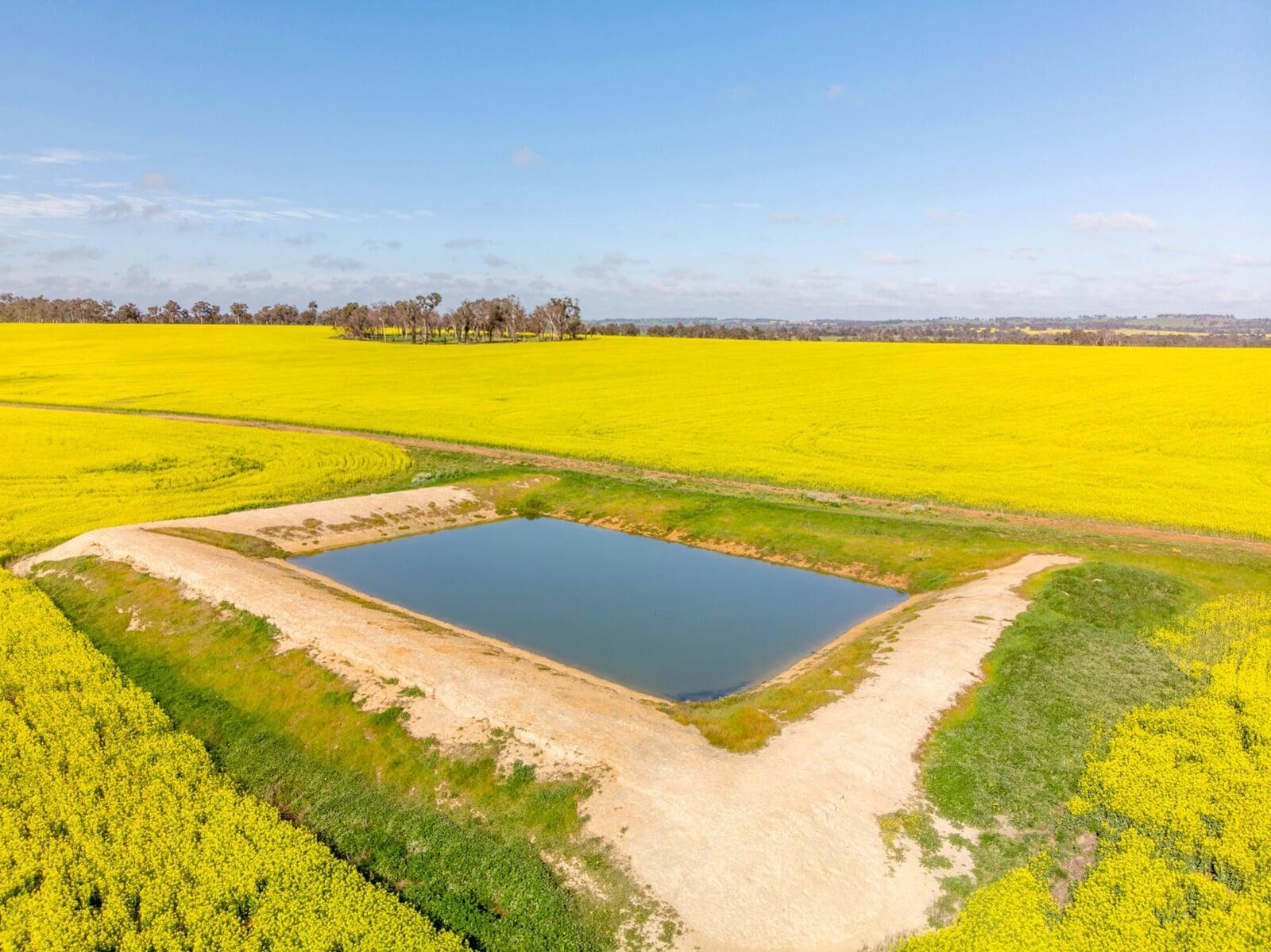
These reservoirs provide a reliable water source for irrigation during dry spells, reducing the risk of crop failure and improving farm productivity.
Reservoirs can help recharge groundwater, support livestock needs, and strengthen the farm’s resilience against droughts and changing weather patterns caused by climate change.
By using proper lining materials, drainage systems, and water conservation practices, farmers can minimize water loss and ensure a steady supply throughout the growing season.
Water Efficiency as a Constraint
Reservoirs of all kinds are helpful, but simply stockpiling water really isn't enough.
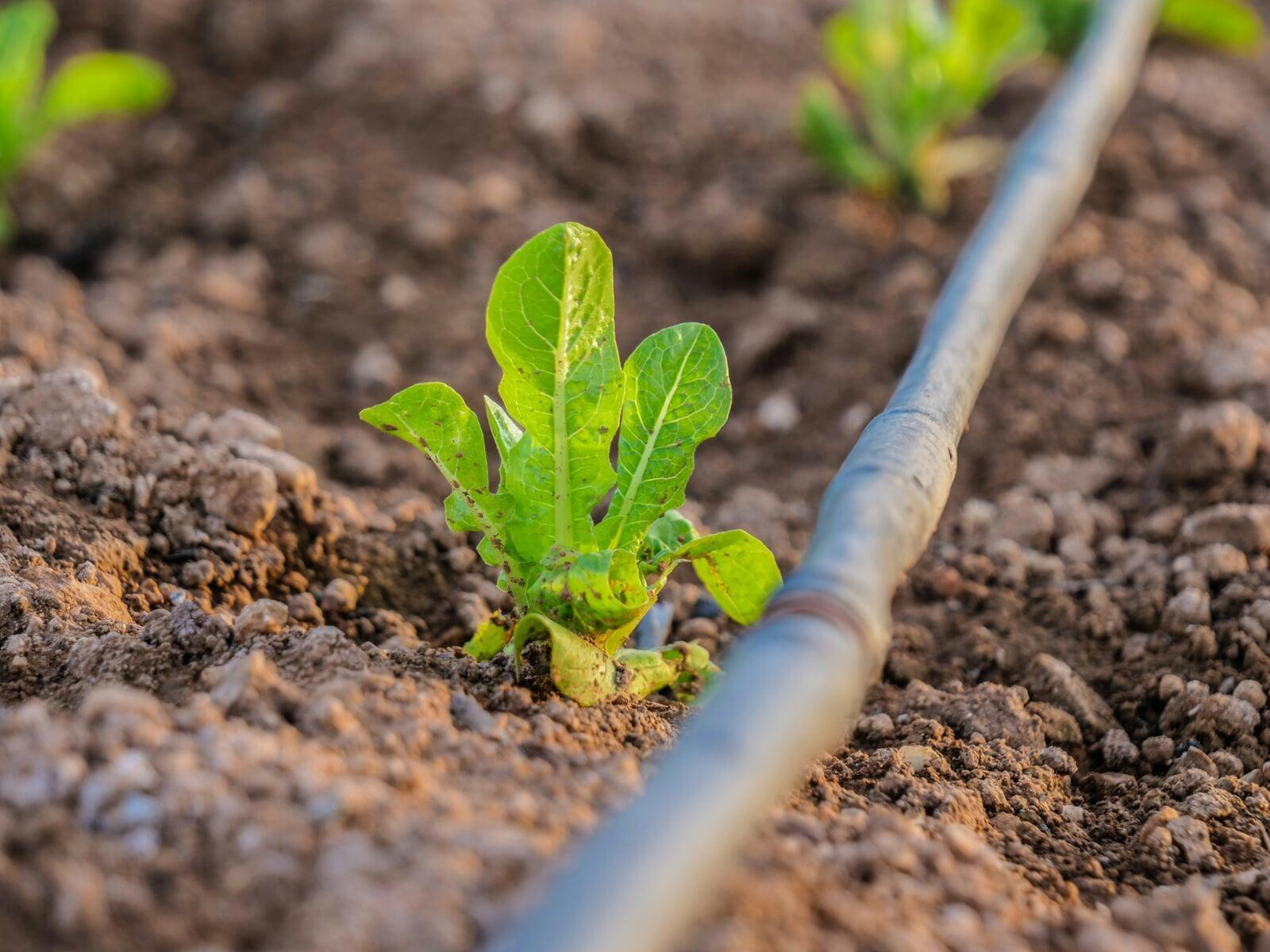
The critical requirement is to ensure water is delivered where it's needed, when it's needed.
This is far more challenging that it seems, especially at scale: collecting consistent, reliable data over long ranges is hard!
SoiLiNQ's integrated platform is designed to address this issue directly.
The 2025 pumpkin harvest sent a clear signal:
Crops that depend on consistent moisture will continue to be under pressure when rain becomes unreliable.
For farmers, the question is not whether the weather will change - it’s knowing how to see what is happening within the soil in time to take action.
Soil moisture sensors do not control the rain. They simply help farmers make the most of what falls - or what they pump.
In a year when the rain doesn't come, that visibility makes all the difference.
See how SoiLiNQ is changing the story.