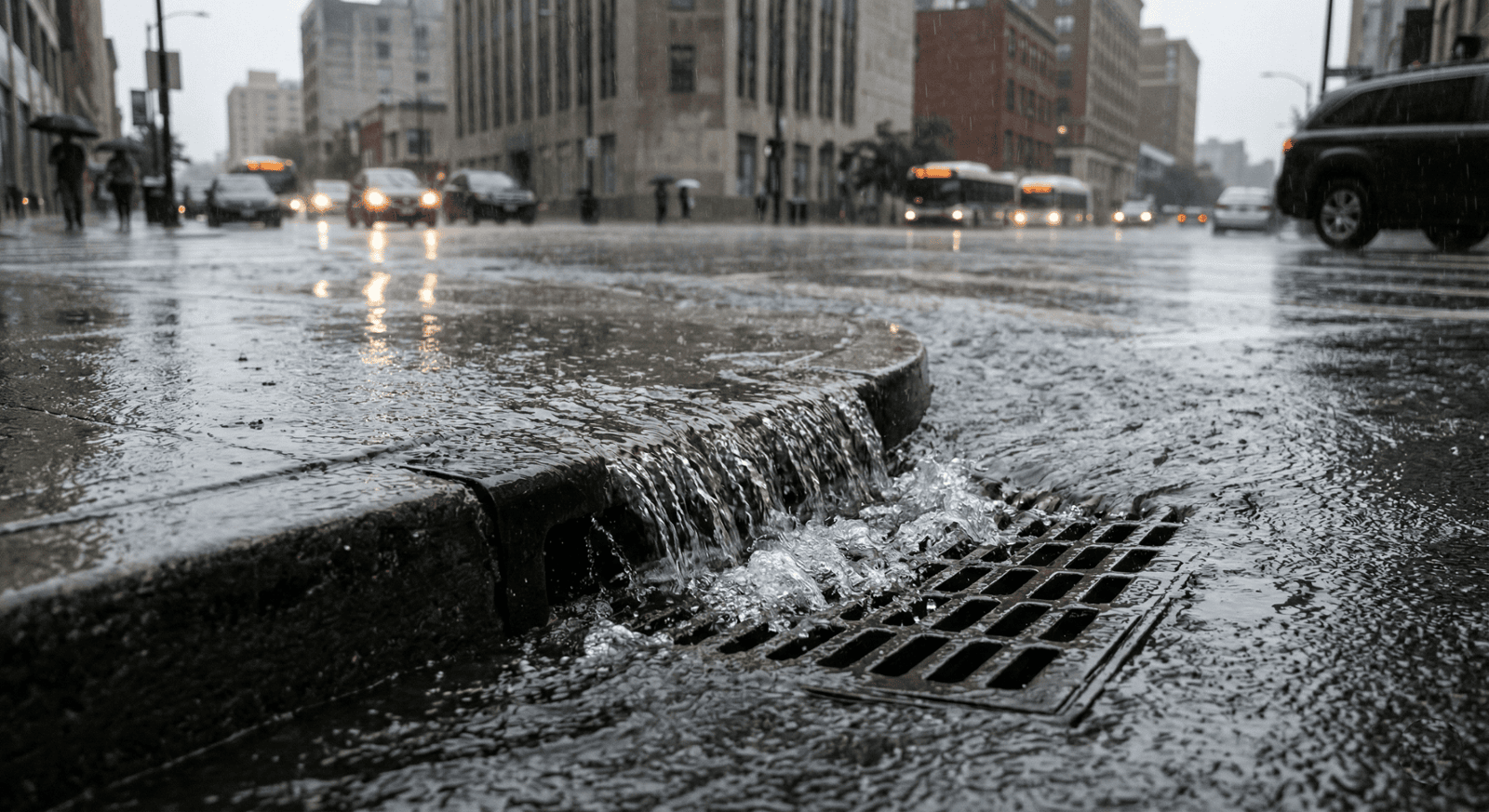
A Smarter Way to Protect Your Green Infrastructure

14.04.26 05:49 PM - Comment(s) - By Gingko

Green roofs aren’t just an aesthetic feature of a building, they’re a risk management strategy.
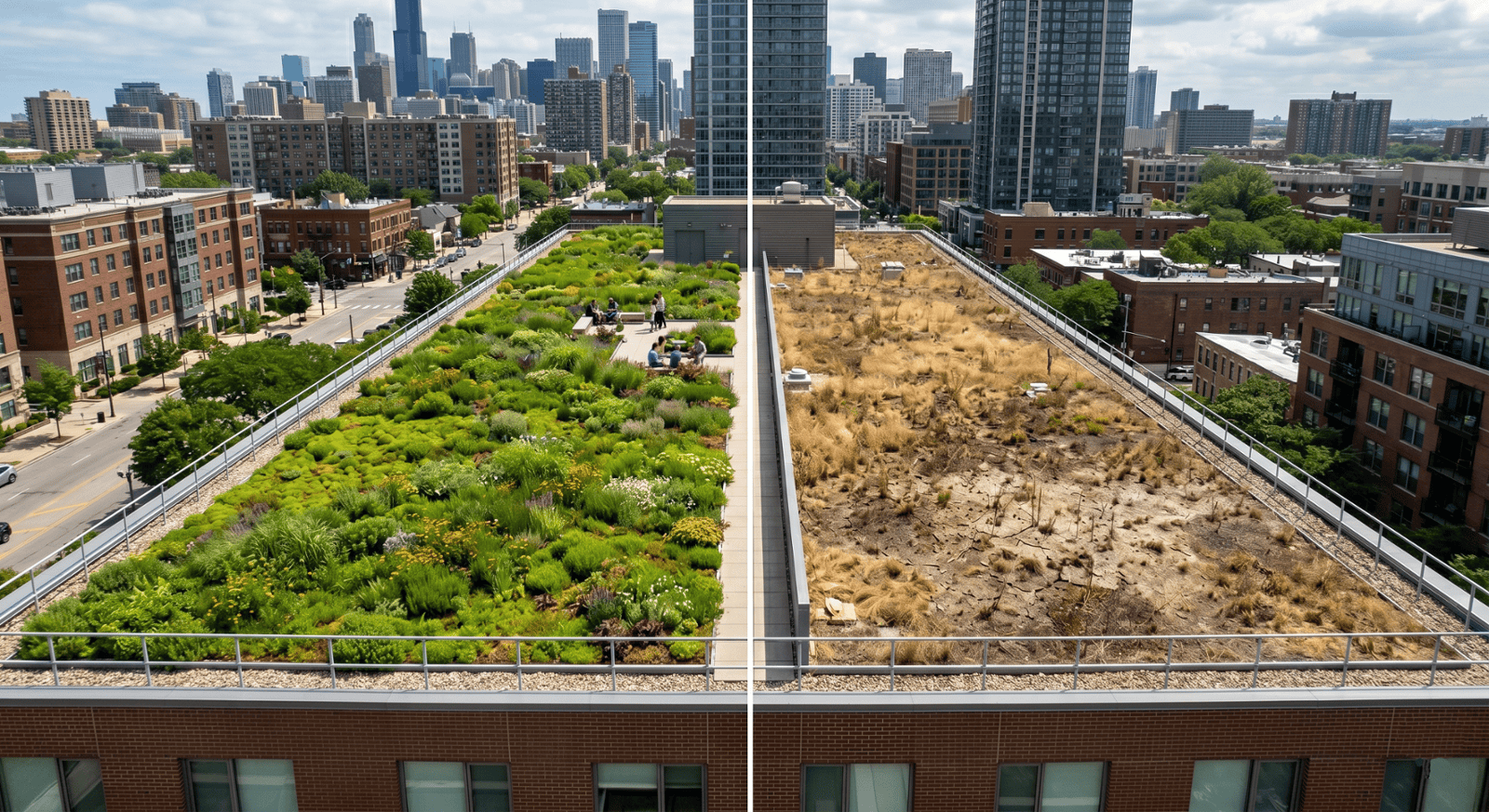
Green roofs, walls, and other infrastructure offer a lot of benefits, and are a proven risk management strategy: They protect buildings from UV damage, temperature extremes, flooding, and regulatory penalties. 

But that’s only true when the green roof is actually green; a wilted green roof doesn’t enjoy any of those benefits.
If left in an unhealthy state, green roofs can quickly - and silently - fail. 
Over and under watering, lack of nutrition, extreme air temperatures and humidity that can literally choke the life out of the plants, and more… 

This will all turn a living roof into a brown, dusty, and expensive liability.

                The Losing Trade-Off

Green asset owners often have to balance a poor tradeoff:

Expensive expert monitoring 
(not always necessary)

versus 

Even more expensive problems 
(cheaper if detected early)

Green Roof Rebuild & Repair Costs

Green Roof TypeDisposal (per m²)
Rebuild (per m²)Maintenance (per m²)
 Extensive~$15 ~$112 ~$5.03
 Semi-Intensive~$24 ~$147  ~$9
 Intensive~$30~ $409 ~$6.5

Maintenance can be expensive, but extensive rebuilding (which often requires disposal, as well) can cost 16 to 63 times more!  Which would we all rather pay?

(Costs are an estimate based on average values., and individual roof maintenance needs varySource)

Green assets like living roofs, walls, and landscapes need close inspection by qualified experts to keep them healthy. Each inspection isn’t hugely expensive, but they need to happen regularly - which can quickly add up.

The problem is that inspection isn’t always necessary; when the asset is fine, you’re paying the expert for no reason.

The alternative is worse: having experts find an expensive problem that could have been avoided if caught earlier.

Costs scale even harder if the problem requires a rebuild (see "Green Roof Rebuild & Repair Costs", inset).

There’s a lot to watch out for…

    Factors that help keep a green roof healthy:
    • Air temperatures can vary, but if it’s too hot for too, plants can suffocate themselves (consistently high temperatures are also bad for humans)

    • Prolonged high humidity can make plants extremely unhealthy for range of reasons
    • Water availability, of course, plays an enormous role in plant health
    • Wrong levels of light exposure can also cause problems
When Policy Demands Proof

Increasingly, cities of all sizes are adopting green infrastructure mandates, penalties for stormwater mismanagement, and offering tax credits tied to measurable sustainability metrics. 


Without data to prove your roof is functioning - retaining rainfall, supporting vegetation, lowered energy bills - credits disappear and penalties may arise.

Living systems need to be maintained, not forgotten, in order to thrive. Without that visibility, even the best-designed green roof or wall becomes a hidden liability.

The Future of Urban Sustainability Starts on Your Roof

While green roofs are a perfect starting point, the same sensor technology applies to urban gardens, street medians, parks, and any landscaped space where soil health matters. 


Soil monitoring gives city managers, property owners, and landscapers the data foundation for evidence-based resource management - reducing water waste, preventing nutrient runoff, and protecting infrastructure investments.


SoiLiNQ is one way the integration of monitoring technologies and environmental data can help your green roofs thrive by keeping it healthy and in large your building in good shape.


Gingko

Share -